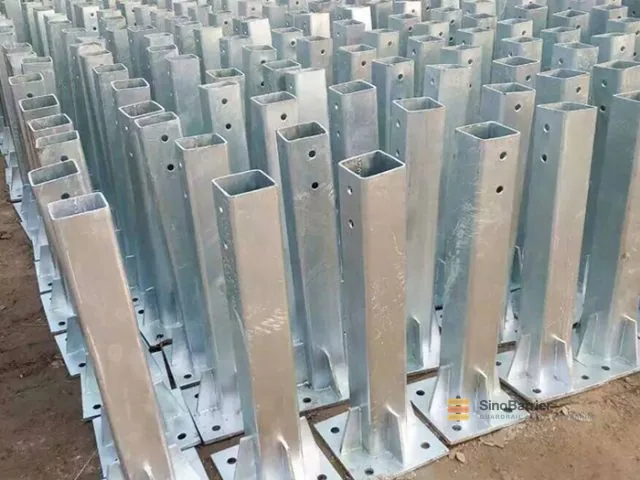
Guardrail Post
Flange Shape Guardrail Post
A flange guardrail post has a flat mounting face that lets the beam sit tight against the post…
View detailsC, U, Sigma, H, flange, square and round posts, hot-dip galvanized, drilled or slotted to suit the beam and the soil condition.
A flange guardrail post has a flat mounting face that lets the beam sit tight against the post…
View details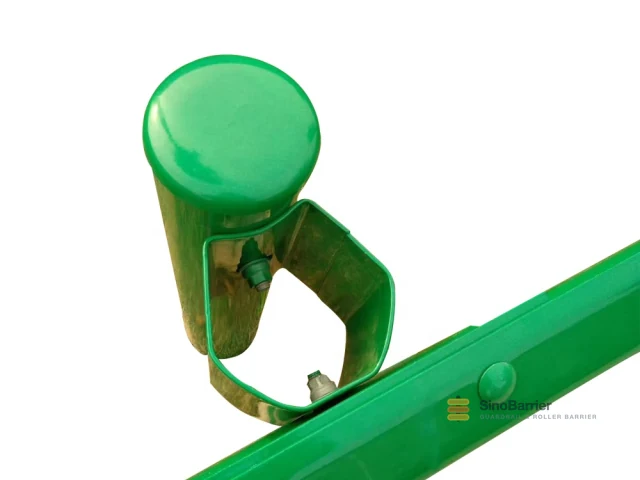
This galvanized round guardrail post is the circular-section alternative to a standard C-post, hot-dip galvanized to AASHTO M180…
View details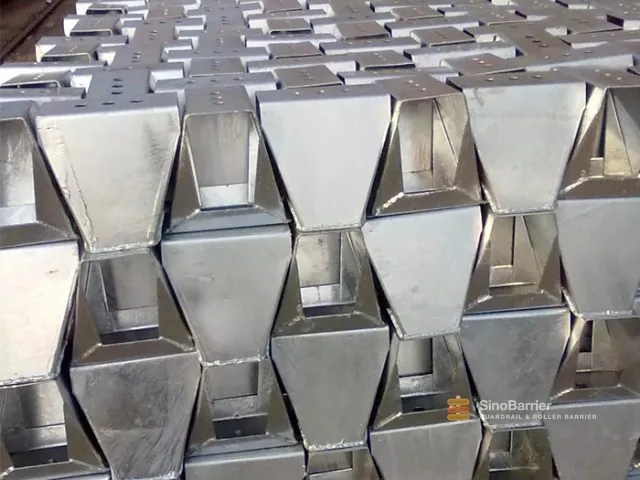
A square guardrail post is a square hollow section post for high-speed alignments: a galvanized square guardrail post…
View details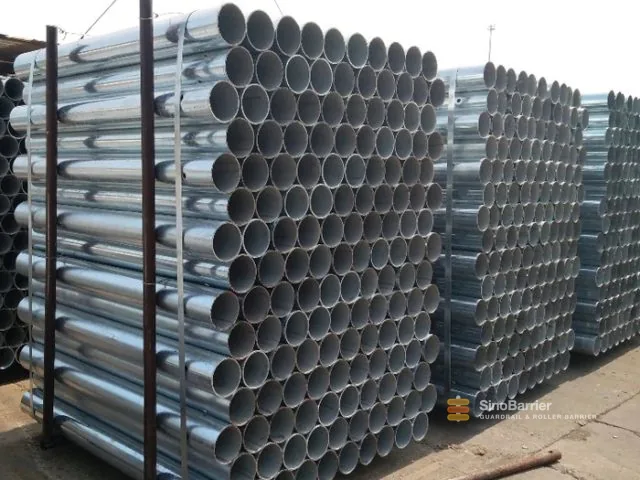
Our round shape guardrail post is a seamless or welded circular post for W-beam and thrie-beam barriers, made…
View details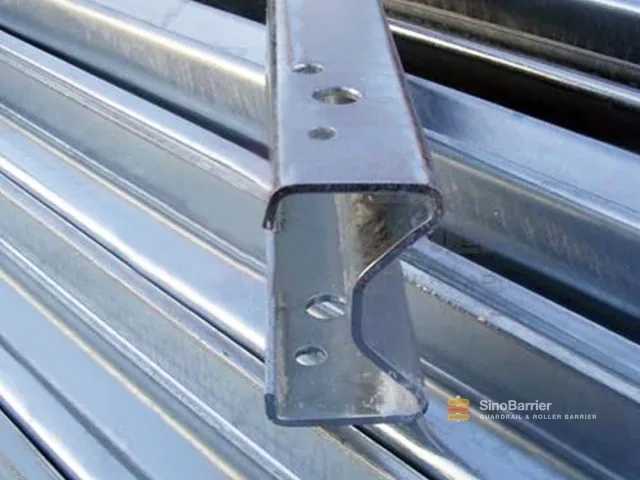
The sigma guardrail post is a closed, folded section that combines the stiffness of a box post with…
View details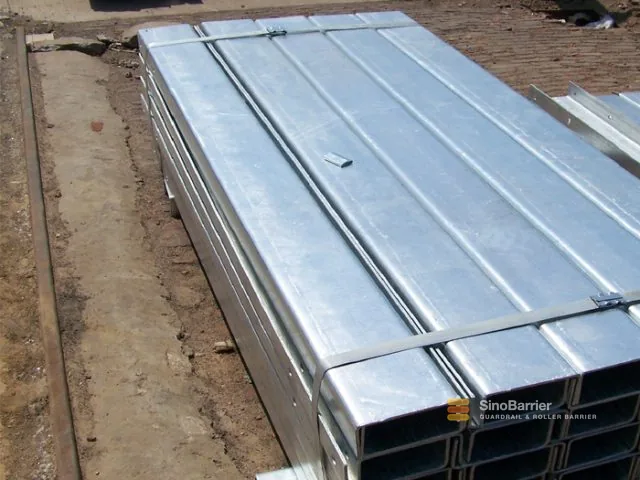
A U shape guardrail post rolls from a single strip into the classic lipped channel used on the…
View details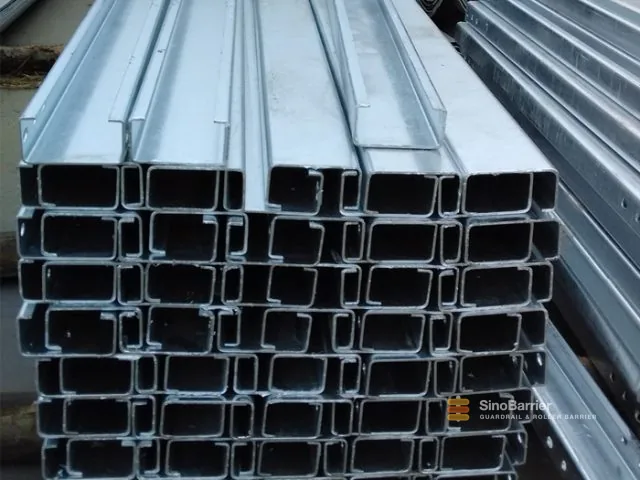
The C channel guardrail post is the standard lipped-channel post for W-beam barriers — rolled, punched and hot-dip…
View details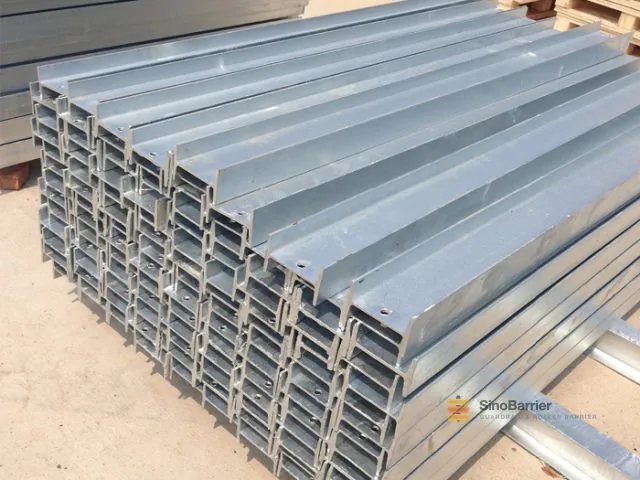
The H shape guardrail post is a wide-flange H-section for soft ground and heavy loading, supplied galvanized with…
View detailsA guardrail is only as good as the post it is bolted to. The post sets the height the rail sits at, the offset it holds from the kerb, and what happens when the assembly is struck — whether it yields and lets the rail deflect, or snaps and drops the rail. Get the section or the embedment wrong and a barrier that passed a crash test as a system no longer performs as one.
We roll and galvanize the full range of post sections in one plant: C, U, Sigma, H, flange, square and round. Each is available drilled or slotted to suit the beam, punched to the project drawing, and hot-dip galvanized to a 550 g/m² minimum coating weight under AASHTO M180. Wall thickness is produced to order, normally between 4.0 mm and 6.0 mm for structural posts.
Sections are selected by ground condition as much as by load. Driven posts suit deep, consistent soils; a post on a concrete footing or a bridge deck needs a different section and a base plate rather than a longer embedment, and we quote the two against each other so the comparison is visible before the tender goes in.
| Sections | C, U, Sigma, H, flange, square and round |
| Wall thickness | 4.0 mm / 4.5 mm / 5.0 mm / 6.0 mm, or to drawing |
| Primary use | Standard roadside post sections, 4.0–6.0 mm wall |
| Steel grade | Q235B (S235JR / ASTM A283M), Q345B (S355JR / ASTM A529M) |
| Coating | Hot-dip galvanized, 550 g/m² minimum; powder coated on request |
| Holes | Drilled or slotted to the beam and the project drawing |
| Length | Cut to the required embedment and rail height |
| Standards | AASHTO M180, EN 1317, GB/T 31439 |
| MOQ | 1 × 20GP container |
| Lead time | 15–25 days after deposit |
Post and beam are matched at the factory, not on site. Every container carries the bolts and spacers that go with the sections in it, so the fixing pack cannot mismatch the rail.
Tell us the beam profile, the rail height, the embedment method and the soil or deck the post goes into. We will recommend the section, confirm the wall thickness and return a take-off and a factory price, normally within one working day. Mill test certificates to EN 10204 3.1 are issued with every shipment.
Send the drawing or the tender clause. We will confirm the section, the coating weight and the post spacing, then return a take-off and a factory price — usually within one working day.
Talk to an engineerSend the drawing, the bill of quantities or just the standard you are building to. We return a take-off, a shop drawing and a factory price within one working day.